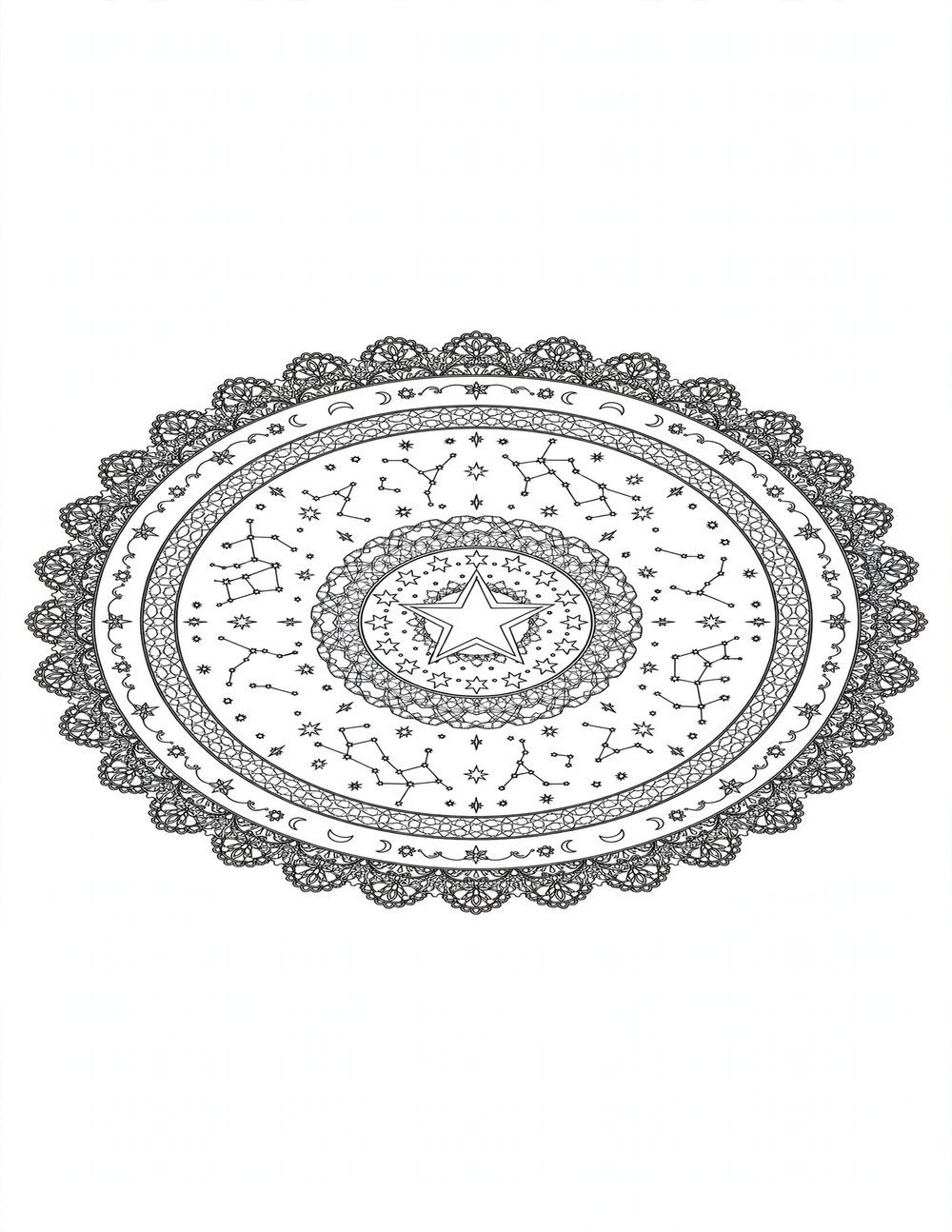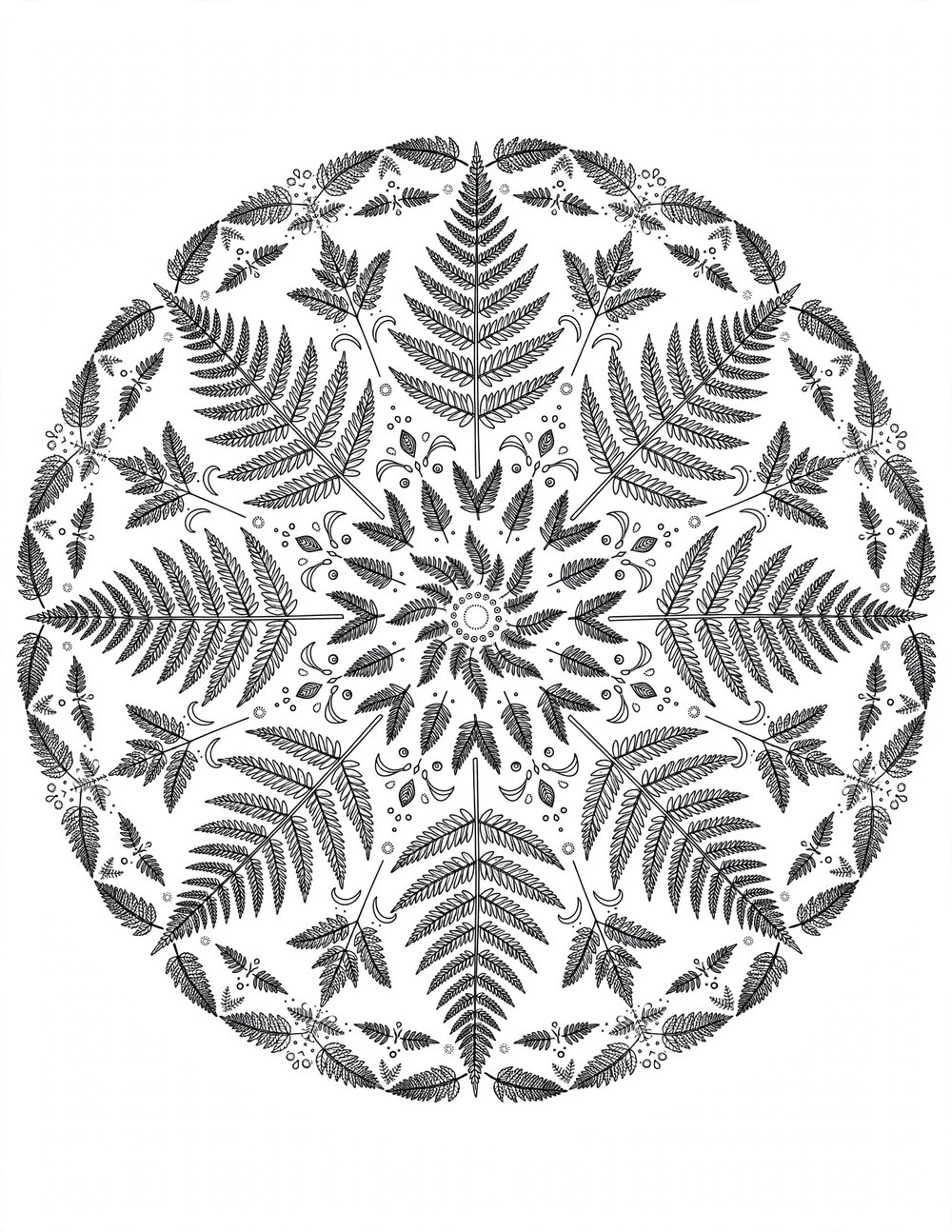
Adult coloring isn't about staying inside the lines. It's a mindfulness practice disguised as a hobby: twenty minutes with a page and some pencils can lower a racing heart rate better than another scroll through your phone. But there's a difference between coloring and really unwinding — these tips will help you get there.
Start with pages you genuinely like, not pages you think you should like. If intricate patterns call to you, our mandala collection was made for exactly this. If you'd rather smile while you color, the kawaii pages are gloriously low-pressure.
Make it a ritual, not a task
The stress relief comes from the routine as much as the coloring. Pick a regular ten-to-twenty-minute slot — after dinner, before bed, with your morning coffee — and protect it. Make a cup of tea, put on music or a familiar show in the background, and leave your phone in another room. Keep your pages and pencils in one basket or folder so starting takes zero effort. The easier it is to begin, the more often you'll do it.
Choose tools you enjoy holding
You don't need expensive supplies. A basic set of colored pencils is the most forgiving starting point: layer light colors first, press harder for rich color, and blend by going over an area with a light color again. Fine-tip markers are satisfying for bold, graphic pages but bleed through thin paper — use cardstock. Gel pens (especially white and metallic) are wonderful for adding tiny highlights and details at the end. Good lighting matters more than fancy tools; eye strain kills relaxation fast. See my full supplies guide for the exact markers, pencils, pens and paper I recommend.
Easy techniques with big payoff
Layering: color lightly, then add more layers for depth instead of pressing hard once. Burnishing: press firmly with a light color over layered colors to blend them into a smooth, painterly finish. Limited palettes: pick three to five colors that sit near each other on the color wheel (blues and greens, or pinks and oranges) for pages that look effortlessly harmonious. Leave white: the white of the paper is a color too — leave highlights uncolored in eyes, water, and glass for instant shine. Backgrounds: a very light wash of color behind the main design (pale blue sky, soft yellow glow) makes the whole page look finished.
Let go of perfection
An unfinished page is not a failure — it's a standing invitation. Skip boring sections, color outside the lines on purpose, abandon a color scheme halfway through. Nobody is grading you. The research on coloring and stress doesn't measure how pretty the page is; it measures that you showed up and colored. Keep finished pages in a folder or on the fridge. Looking back at a stack of them is its own quiet reward.